Why Resilience Is Essential Today
Resilience is essential today because change and uncertainty have long since become the norm. Economic fluctuations, technological leaps, or global crises often hit companies unexpectedly and with great force. Those who are unprepared in such situations quickly lose stability and trust. Resilient organizations, on the other hand, remain agile. They adapt to new conditions without losing sight of their direction. They provide orientation for employees, security for customers, and reliability for partners.
Organizational Resilience as a Success Factor
Organizational resilience is more than just a protective shield against crises. It becomes a driver for long-term success. Resilient companies respond more quickly to change, seize opportunities early on, and remain competitive even in uncertain times. They gain the trust of employees, customers, and investors because they radiate stability and reliability. In this way, resilience evolves from a pure survival strategy into a real success factor that enables long-term growth and innovation.
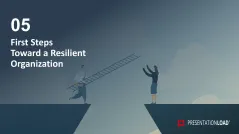
First Steps Toward a Resilient Organization
The path to a resilient organization begins with small, targeted steps. It is important to create a common understanding of resilience and to sensitize managers and teams to it. The next step is to critically review existing structures and processes: Where are there dependencies, where are flexible solutions lacking, where can knowledge be shared more effectively? Even simple measures such as open communication, regular learning, and practicing scenarios make a noticeable difference. Step by step, a foundation is created on which resilience can grow and become anchored throughout the entire company.
Everything About Organizational Resilience in a PowerPoint Template
Our PowerPoint template on organizational resilience conveys the key fundamentals and makes the topic clearly tangible. It shows what resilience means for companies, why it is indispensable today, and how the most important building blocks contribute to greater stability. At the same time, it illustrates concrete strategies and first steps that organizations can take to systematically strengthen their resilience. Each slide is designed to be practical, easily adaptable, and helps you communicate complex concepts in an understandable way. This allows you to create clarity in management, strengthen employee confidence, and deliver compelling presentations.
With This PowerPoint Template You Can …
- present important information about organizational resilience.
- understand the first steps toward a resilient organization.
- show your audience how resilience becomes a competitive advantage.
This PowerPoint Template Includes:
- Quote
- What does organizational resilience mean?
- Introductory question
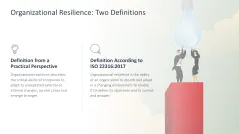
- Two definitions of organizational resilience
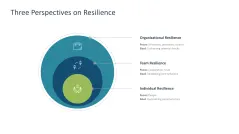
- Three perspectives on resilience
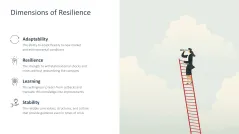
- Dimensions of resilience
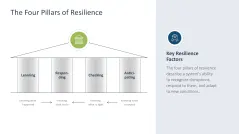
- The four pillars of resilience
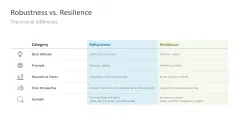
- Robustness vs. resilience
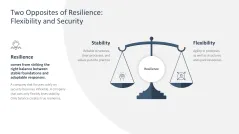
- Two opposites: flexibility and security
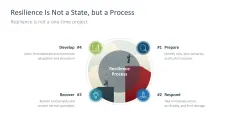
- Resilience is not a state, but a process
- Why resilience is essential today
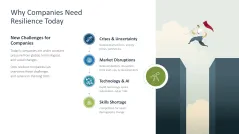
- Why companies need resilience
- Unpredictable crises as the new reality
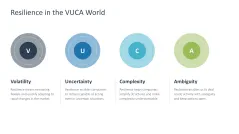
- Resilience in the VUCA world
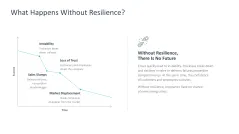
- What happens without resilience?
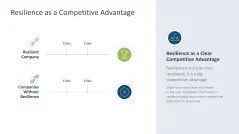
- Resilience as a competitive advantage
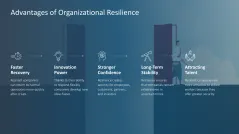
- Advantages of organizational resilience
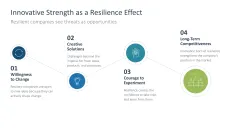
- Innovative strength as a resilience effect
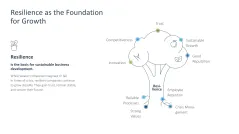
- Resilience as a foundation for growth
- The building blocks of a resilient organization
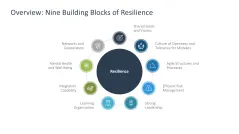
- Overview: Nine building blocks of resilience
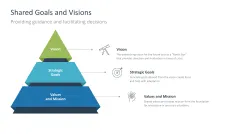
- Shared goals and visions
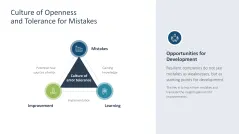
- Culture of openness and tolerance for mistakes
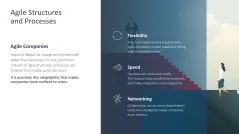
- Agile structures and processes
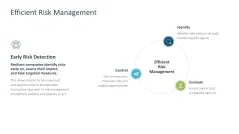
- Efficient risk management
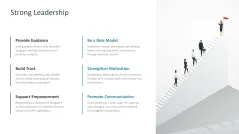
- Strong leadership
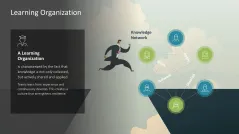
- Learning organization
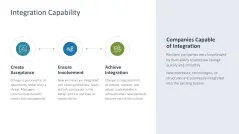
- Ability to integrate
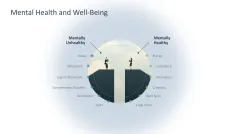
- Mental health and well-being
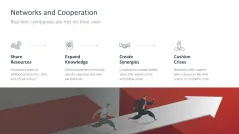
- Networks and cooperation
- Strategies for strengthening resilience
- Targeted strengthening of resilience
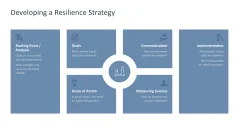
- Developing a resilience strategy
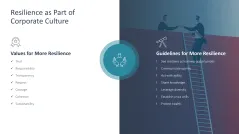
- Resilience as part of corporate culture
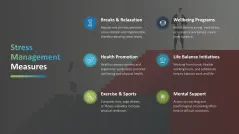
- Stress management measures
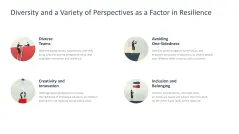
- Diversity and variety of perspectives as a resilience factor
- Technology and digitalization for resilience
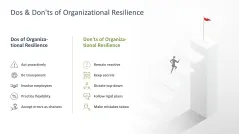
- Dos and don'ts of organizational resilience
- First steps toward a resilient organization
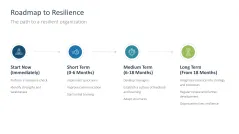
- Roadmap to resilience
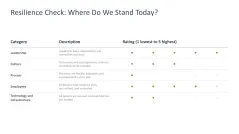
- Resilience check: Where do we stand today?
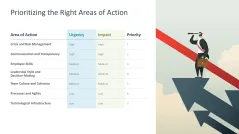
- Prioritizing the right areas of action
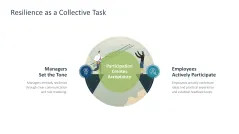
- Resilience as a collective task
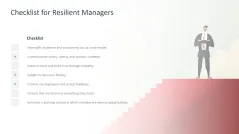
- Checklist for resilient managers
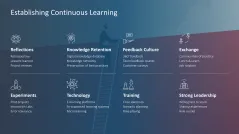
- Establishing continuous learning
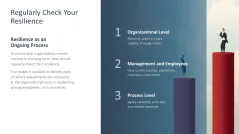
- Regularly check your resilience