What Is Included in a Target Group Analysis?
A target group analysis reveals who potential customers are, what drives them, how they think and act, and how different segments vary. It systematically captures and evaluates characteristics such as demographics, behavior, values, needs, and professional context, transforming them into clear target group profiles. These profiles enable targeted communication and the development of customized offerings tailored to the specific requirements and desires of each target group.
How Is a Target Group Analysis Conducted?
Depending on the objective, different methods are used, such as quantitative surveys, in-depth interviews, social listening, web tracking, or the analysis of CRM data. Secondary sources like market studies or statistics also provide valuable insights. The key is combining reliable data with a clear analytical structure to precisely segment target groups and use them strategically. This thorough analysis forms the foundation for targeted communication and enables the development of tailored measures for customer retention and acquisition.
Future Trends in Target Group Analysis
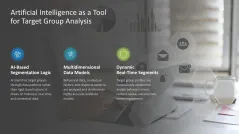
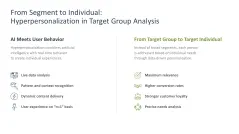
With the growing availability of real-time data and the use of artificial intelligence, target group analysis is becoming a dynamic process. Instead of static segments, flexible profiles are emerging that continuously adapt to behavior, context, and touchpoints. This enables businesses to understand their audiences more deeply and engage with them on a more individual level.
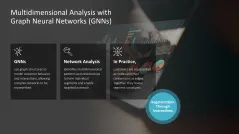
Multidimensional techniques such as graph neural networks or combined analytical models enable significantly deeper segmentation. When paired with hyperpersonalization, they create new approaches for aligning content, offers, and communication precisely with individual user profiles and increasing relevance at every stage of audience engagement.
All Key Insights on Target Group Analysis in A Single PowerPoint Template
Our PowerPoint template for target group analysis provides a wide range of slides covering the basics, objectives, and KPIs, from common segmentation types to multidimensional methods, AI-supported analysis, social listening, and hyperpersonalization. Featuring personas, real-world examples, and canvas templates, it is the ideal foundation for data-driven strategies, compelling presentations, and well-informed decisions in marketing, sales, and product development.
With This Template for PowerPoint, You Can …
- visualize target group models and analysis frameworks clearly.
- gain in-depth content on segmentation, data collection, and KPIs.
- lay the foundation for tailored target group strategies.
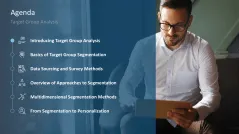
This PowerPoint Template Contains:
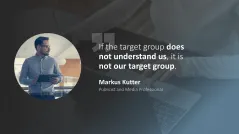
- Quote
- Definition
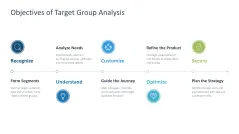
- Objectives of Target Group Analysis
- Benefits of Successful Target Audience Engagement
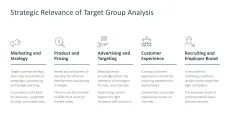
- Strategic Relevance of Target Group Analysis in 5 Areas
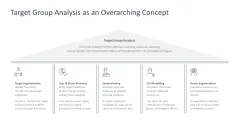
- Target Group Analysis as an Overarching Concept
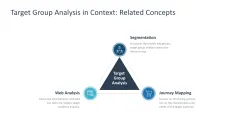
- Target Group Analysis in Context: Related Concepts
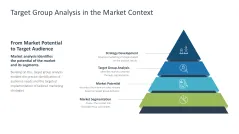
- Target Group Analysis in the Market Context
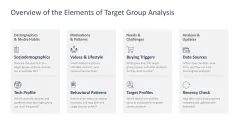
- Overview of the Elements of Target Group Analysis
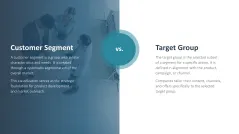
- Customer Segment vs. Target Group
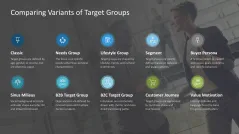
- Comparing Variants of Target Groups
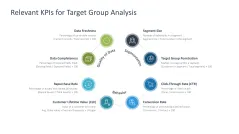
- Relevant KPIs for Target Group Analysis
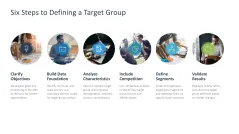
- 6 Steps to Defining a Target Group
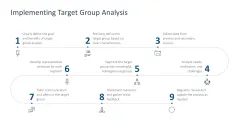
- Implementing Target Group Analysis
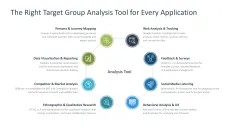
- The Right Target Group Analysis Tool for Every Application
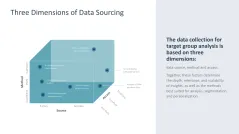
- 3 Dimensions of Data Sourcing for Target Group Analysis
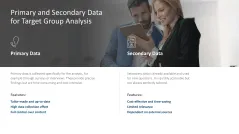
- Primary and Secondary Data for Target Group Analysis
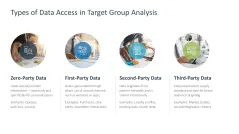
- Types of Data Access in Target Group Analysis
- 3 Methods of Data Collection in Target Group Analysis
- Social Listening vs. Social Media Monitoring
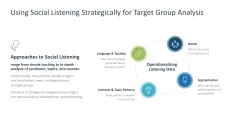
- Using Social Listening Strategically for Target Group Analysis
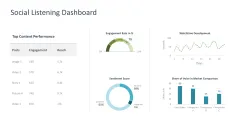
- Social Listening Dashboard
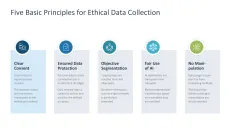
- 5 Basic Principles for Ethical Data Collection
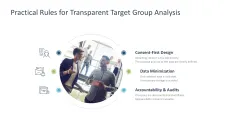
- Practical Rules for Transparent Target Group Analysis
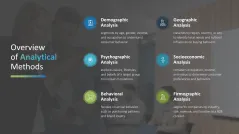
- Overview of Analytical Methods
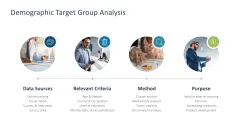
- Demographic Target Group Analysis
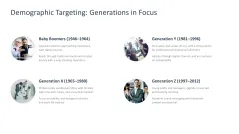
- Demographic Targeting: Generations in Focus
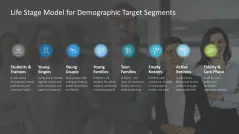
- Life Stage Model for Demographic Target Segments
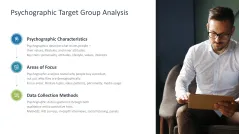
- Psychographic Target Group Analysis
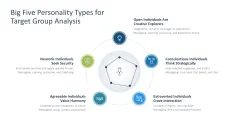
- Big Five Personality Types for Target Group Analysis
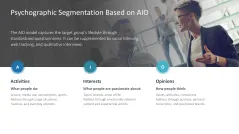
- Psychographic Segmentation Based on AIO
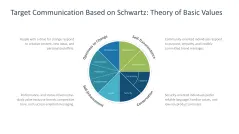
- Target Communication Based on Schwartz: Theory of Basic Values
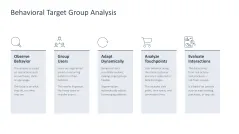
- Behavioral Target Group Analysis
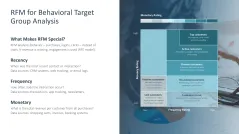
- RFM for Behavioral Target Group Analysis
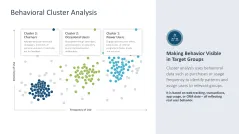
- Behavioral Cluster Analysis
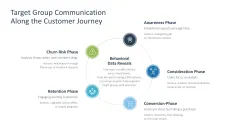
- Target Group Communication Along the Customer Journey
- Occasion-Based Segmentation
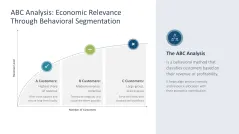
- ABC Analysis: Economic Relevance Through Behavioral Segmentation
- Geographic Target Group Analysis
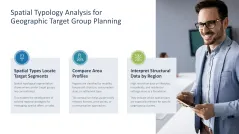
- Spatial Typology Analysis for Geographic Target Group Planning
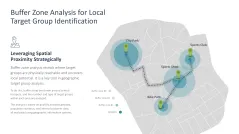
- Buffer Zone Analysis for Local Target Group Identification
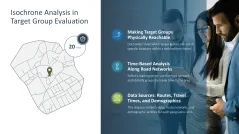
- Isochrone Analysis in Target Group Evaluation
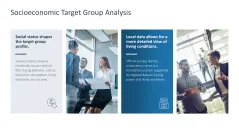
- Socioeconomic Target Group Analysis
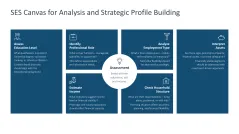
- SES Canvas for Analysis and Strategic Profile Building
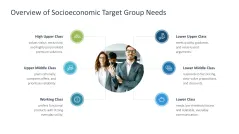
- Overview of Socioeconomic Target Group Needs
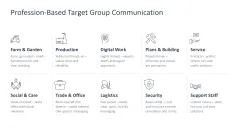
- Profession-Based Target Group Communication
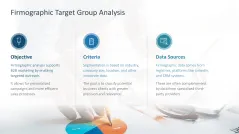
- Firmographic Target Group Analysis
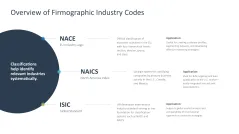
- Overview of Firmographic Industry Codes
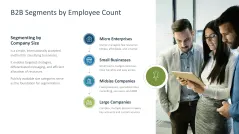
- B2B Segments by Employee Count
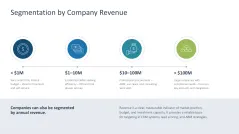
- Segmentation by Company Revenue
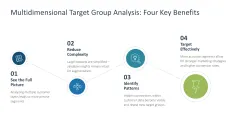
- Multidimensional Target Group Analysis: 4 Key Benefits
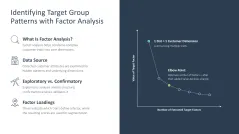
- Identifying Target Group Patterns with Factor Analysis
- Multidimensional Analysis with Graph Neural Networks (GNNs)
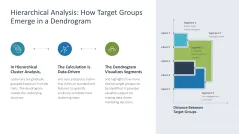
- Hierarchical Analysis: How Target Groups Emerge in a Dendrogram
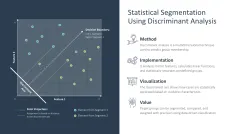
- Statistical Segmentation Using Discriminant Analysis
- Artificial Intelligence as a Tool for Target Group Analysis
- From Segment to Individual: Hyperpersonalization in Target Group Analysis
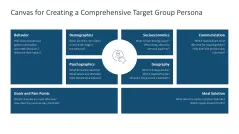
- Canvas for Creating a Comprehensive Target Group Persona
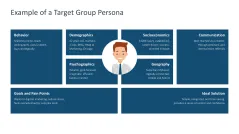
- Example of a Target Group Persona
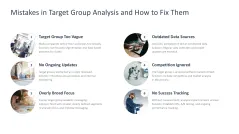
- 6 Mistakes in Target Group Analysis and How to Fix Them