What is remote work?
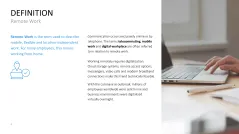
Remote work is a modern working model that combines spatial flexibility with digital collaboration. It enables employees to work productively regardless of the company's location, whether from home, on the road or in a co-working space. But remote work is more than just a change of location: it requires clear structures, new forms of leadership and a conscious communication culture. If these requirements are met, remote work not only creates efficiency, but also trust, personal responsibility and satisfaction. When implemented correctly, it becomes a strategic advantage for companies and a benefit for modern working cultures.
A future-proof company with remote work
Remote work offers companies the opportunity to become more flexible, efficient and attractive. It reduces costs, expands the talent pool across locations and strengthens employee satisfaction and loyalty. Teams work in a more focused way, management becomes more results-oriented and digital processes promote innovation and agility. Those who introduce and support remote work in a targeted manner not only create modern working conditions, but also make the company fit for the future - economically, culturally and technologically.
Successfully implementing remote work
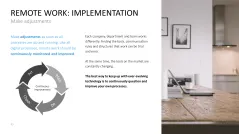
Successfully implementing remote work means not only allowing new ways of working, but actively shaping them. It is not enough to enable employees to work from home. What is needed are clear structures, a reliable technological basis and a corporate culture based on trust, transparency and personal responsibility. This includes defined processes, targeted communication and leadership that provides guidance rather than control. At the same time, there needs to be room for exchange, team cohesion and continuous development. When all these elements work together, remote work becomes a real opportunity: for more flexibility, higher productivity and a sustainable strengthening of the employer brand.
Everything about remote work in one template
Our PowerPoint template on remote work helps you to successfully shape the transition to flexible, digital working models. It shows what remote work really means, what requirements should be met and how you can align structures, communication and leadership accordingly. With practical tips and best practices, the template offers a clear guide for the introduction and further development of remote work in times of hybrid collaboration and increasing demands for agility. Play an active role in shaping the working world of tomorrow - in a professional, structured and future-oriented way.
With this PowerPoint template you can …
- present important information on the topic of remote work.
- learn how to successfully implement remote work.
- demonstrate your expertise in new working models.
This PowerPoint template contains:
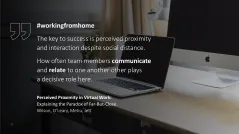
- Quote
- What is remote work?
- Definition of remote work
- The evolution of remote work
- Types of remote work
- Remote work vs. home office
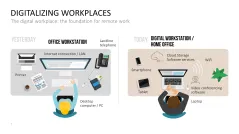
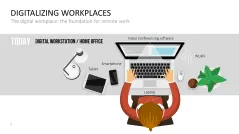
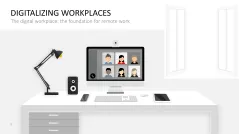
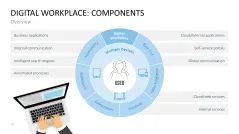
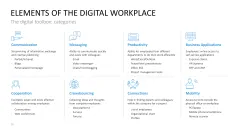
- Digital workplace
- What does a digital workplace look like?
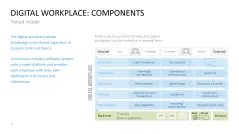
- Organizing the digital workplace
- Elements of the digital workplace
- Layers of the digital workplace
- Chances and challenges
- Advantages and disadvantages for employees
- Remote work offers flexible working hours
- Remote work provides peace and contemplation
- Remote work leads to more free time
- Remote work promotes creativity
- Remote work allows you to work comfortably
- Remote work increases personal responsibility
- Remote work supports independence
- Remote work from the company's perspective
- Technological and legal foundation
- What are the technical and legal requirements for remote work?
- The cornerstones of the technological infrastructure
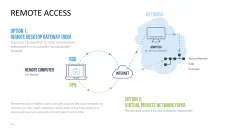
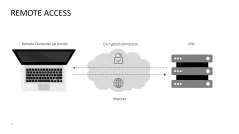
- Remote access and VPN
- IT security and data protection
- Cyber attacks with remote work
- Complying with the GDPR for remote work
- Rules of conduct for remote work
- General employment law conditions
- BYOD - Bring Your Own Device
- Tool selection: What can be used?
- Implementing remote work
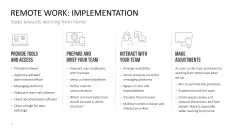
- Three success factors for remote work
- Checklist: Requirements for remote work
- Develop a remote strategy
- Providing remote infrastructure
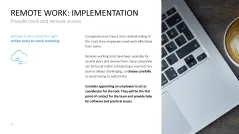
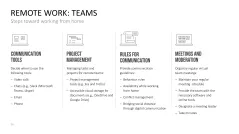
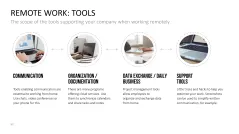
- Digital toolbox
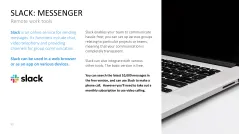
- Remote work tools
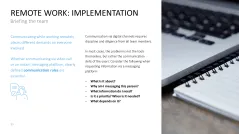
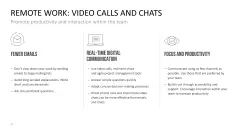
- Finding the right communication format
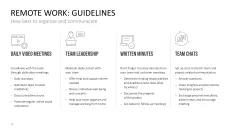
- Remote code of conduct
- Knowing what to do
- Measuring and improving implementation
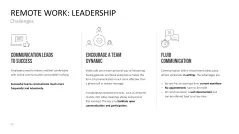
- Leadership in a remote work environment
- New requirements for management
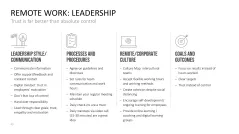
- Traditional leadership vs. remote leadership
- Trust as a success factor
- Clear goals and expectations
- Communication pyramid
- Visible despite distance
- Feedback and recognition
- Promoting team culture and cohesion
- Increase self-management
- Best practices for productivity and self-organization
- Understanding productivity
- Productivity in remote work
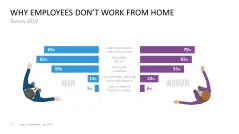
- Potential distractions when working remotely
- Effective measures for more focus
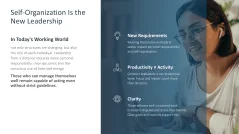
- Self-organization is the new leadership
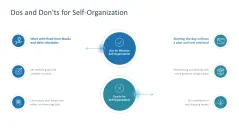
- Dos and don'ts for self-organization
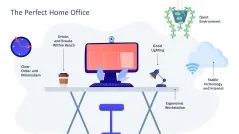
- The perfect home office
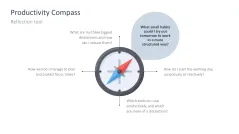
- Productivity compass